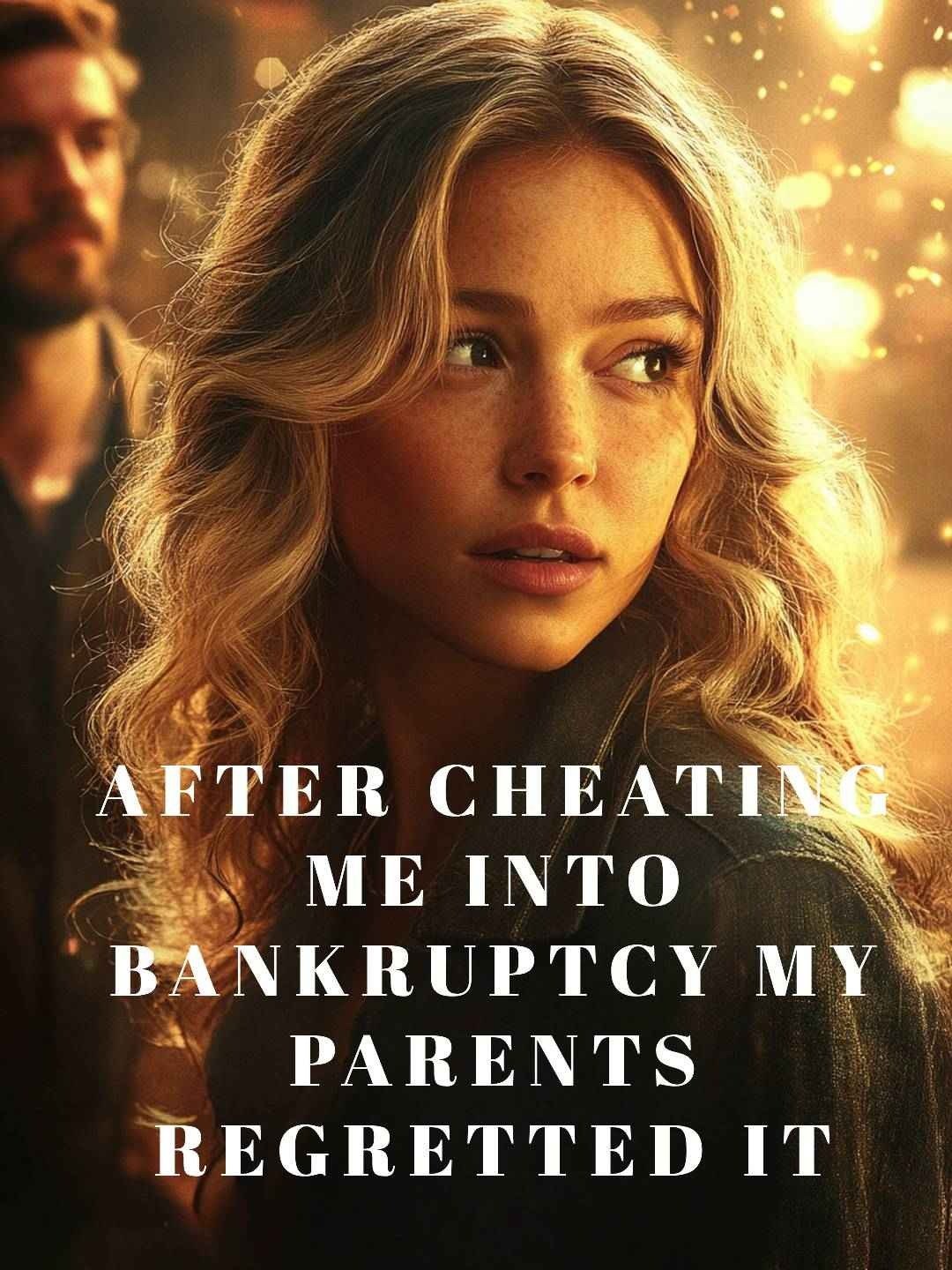
After my family went bankrupt, my parents insisted it was time for me to learn independence. They sat me down, did the math, and declared that raising me for over two decades had cost them five million dollars. Naively, I believed them when they reassured me they didn't actually expect me to pay it back and signed the promissory note. To ease their burden, I handed over my bank card, worked long hours during the day, and took on extra shifts at night. I told myself I was doing it so they could live more comfortably.
Limited-time free event: This free viewing activity is jointly launched by ReelShort and FreeDrama. Click the button to download the APP and watch all episodes of After cheating me into bankruptcy, my parents regretted it for free.
This chilling narrative exposes how emotional manipulation masquerades as financial accountability. In After cheating me into bankruptcy, my parents regretted it, the “five million dollar” promissory note isn’t a legal instrument—it’s a psychological lever. The world operates on inverted moral physics: care is commodified, sacrifice is weaponized, and love is conditional upon repayment. There are no courts, no auditors—only silence, shame, and the quiet erosion of self-worth.
The story unfolds in parallel timelines—one surface-level (the “independence lesson”), one subterranean (the systemic extraction). Each sentence in the protagonist’s confession reveals structural irony: signing the note “to ease their burden” while her own body bears exhaustion; believing reassurances while surrendering autonomy. This duality mirrors the show’s broader architecture—scenes cut between warm lighting during “family meetings” and cold, desaturated shots of the protagonist working graveyard shifts. The rupture isn’t sudden; it’s woven into syntax itself.
Crucially, the title After cheating me into bankruptcy, my parents regretted it centers *their* emotion—not remorse, but regret: sorrow over consequences, not conscience over cruelty. That distinction defines the world’s moral grammar. There is no restitution, no apology—only the hollow echo of “we did it for your own good.” Regret here is performative, a punctuation mark, not a turning point.
Experience this layered, emotionally precise drama in full—download the FreeDrama App today.
After cheating me into bankruptcy, my parents regretted it is not just a short drama, it’s like a mirror reflecting the struggles and growth of the characters…
This short drama After cheating me into bankruptcy, my parents regretted it is a double impact on visuals and emotions…
Each episode of After cheating me into bankruptcy, my parents regretted it is like a little puzzle…
Limited-time free event: This free viewing activity is jointly launched by ReelShort and FreeDrama. Click the button to download the APP and watch all episodes of After cheating me into bankruptcy, my parents regretted it for free.
 Fri Apr 03 2026 00:00:00 GMT+0800 (China Standard Time)
 Fri Apr 03 2026 00:00:00 GMT+0800 (China Standard Time)
 Fri Apr 03 2026 00:00:00 GMT+0800 (China Standard Time)
 Fri Apr 03 2026 00:00:00 GMT+0800 (China Standard Time)
 Fri Apr 03 2026 00:00:00 GMT+0800 (China Standard Time)
 Fri Apr 03 2026 00:00:00 GMT+0800 (China Standard Time)
 Fri Apr 03 2026 00:00:00 GMT+0800 (China Standard Time)
 Fri Apr 03 2026 00:00:00 GMT+0800 (China Standard Time)
 Fri Apr 03 2026 00:00:00 GMT+0800 (China Standard Time)
 Fri Apr 03 2026 00:00:00 GMT+0800 (China Standard Time)